Skip to Main Content

The 2026 Food and Beverage Trends That Deserve a Second Look

Beverage Trends, Breakfast Trends, Consumer Insights, Dessert Trends, Food Trends, Foodservice, Global Flavors, Ingredient Trends, Innovation, Menu Trends, Restaurants

Stay informed on the latest food industry insights by subscribing to our newsletter.

When we think about food and beverage trends, we always want to share the newest, flashiest flavors we’re seeing on menus. Trendologists at Datassential do the critical work identifying which foods, flavors, and beverages will gain the most ground on menus in the coming year and beyond. But there are a lot of foods, flavors and ingredients that won’t make this elite list, but are still vital to menu innovation and creating a unique menu that customers will love.

As many foodservice operators are aware, some of the most valuable opportunities for menu optimization aren’t in the items growing gangbusters — they’re in those that are growing slightly, and could spell opportunity, or perhaps they’re even declining, and could be a hit with a different presentation or small adjustments to make a dish sing. Sometimes, it’s the things that you don’t change – or tweak ever so slightly – that could be a huge opportunity for a craveable menu item.

The secret isn’t just knowing what’s trending broadly. It’s understanding the context. It’s recognizing which flavors align best with your particular cuisine, your customer base, and your operational reality. A declining trend on a national level might be the perfect fit for your concept, especially if it connects authentically to what you do well.

So with that in mind, let’s dig into this new feature, part of our 2026 Trends Report, on what menu trends are rising, falling, and most importantly, how to think strategically about which trends deserve a place on your menu — regardless of what direction they’re trending.

The Slow Burns: Five Items Gaining Ground

These items may not be exploding overnight, but their steady growth signals real shifts in consumer preferences. Each one offers menu innovation opportunities through newstalgia, authentic flavors, or emerging culinary trends that align with what today’s diners are seeking.

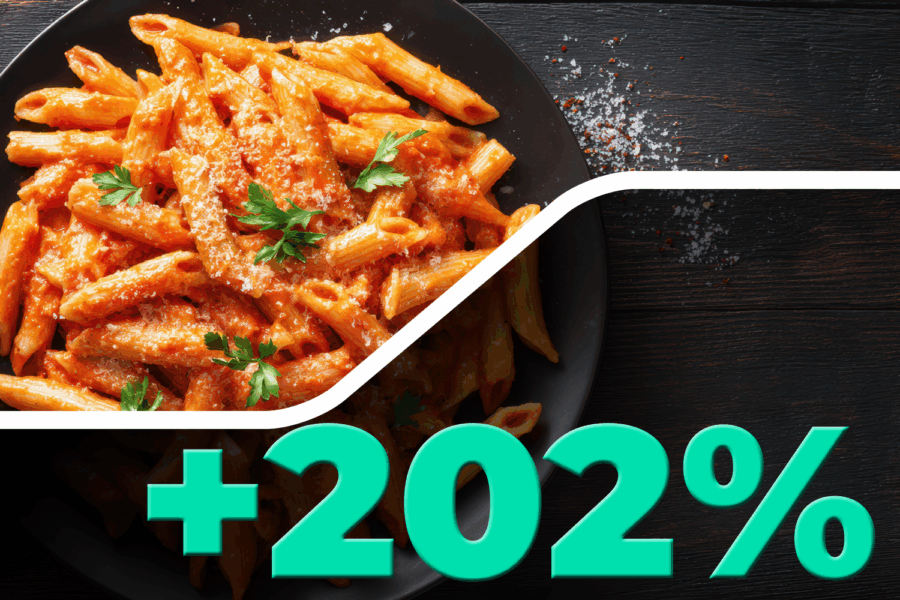
Vodka Sauce (+202% over last four years: Datassential Menu Trends)

Remember when vodka sauce was just that retro Italian-American staple your parents ordered? The winning sauce that 72% of consumers who have tried it like or love is back, but not where you’d expect it. The newstalgia trend is pushing vodka sauce onto chicken sandwiches, Korean rice cakes, and even french fries.

Younger consumers are discovering it for the first time, and the creamy, slightly tangy flavor is proving incredibly versatile. Anywhere you’d use marinara, vodka sauce can add an unexpected twist.

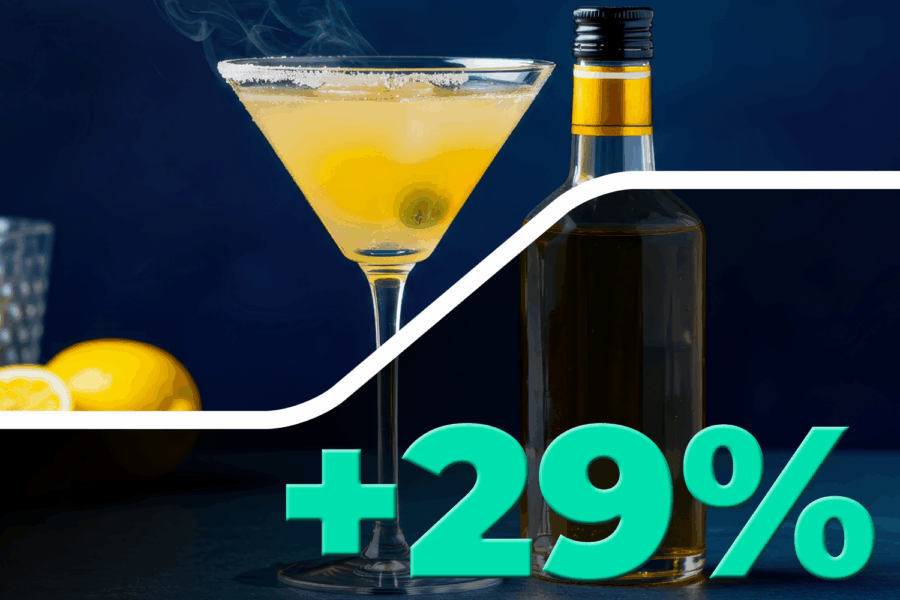
Limoncello (+59% over last four years)

Riding the wave of Italian liqueur popularity that the Aperol spritz started, limoncello is having its moment. The sweet lemon flavor of this beverage — liked or loved by 71% of those who have tried it — appeals to those who find Aperol too bitter, and it’s showing up everywhere from spritzes to bread pudding.

The resurgence of 1990s cocktail culture has even revitalized the lemon drop martini. At traditional Italian restaurants, it’s served as a shot with gelato — a combination that’s pure magic.

Orgeat (+53% over last four years)

This almond-based syrup with rosewater and orange flower water was once confined to tiki bars, but it’s breaking free. It’s now on 3.8% of total U.S. menus, and is predicted to grow by 20.3% over the next four years. Thanks to high-quality almond milk making fresh orgeat easier to prepare, bartenders and home cooks are experimenting with it in cocktails, coffees, french toast, and desserts. Think of it as an elevated alternative to horchata or chai spice, with floral undertones that align perfectly with current flavor trends.

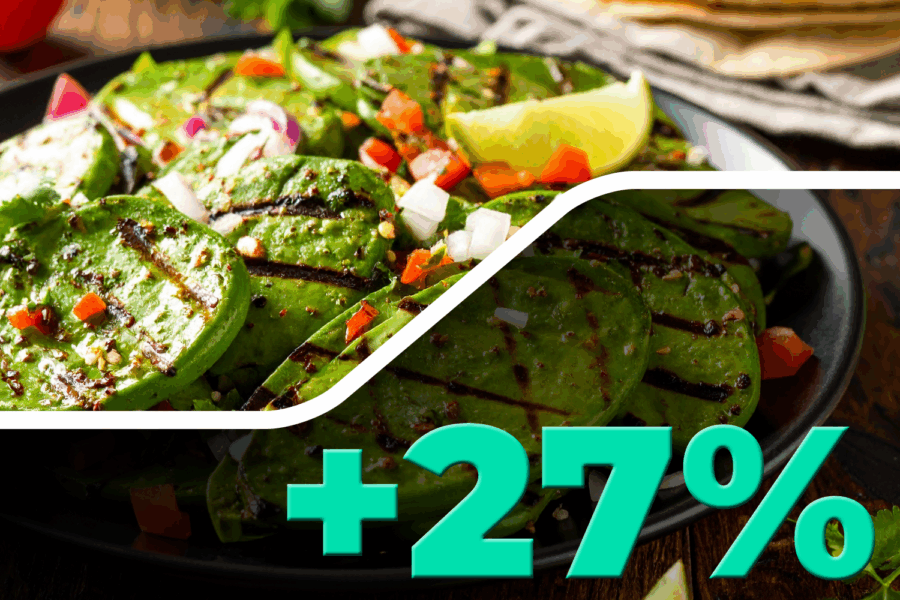
Nopales (+27% over the last four years)

Edible cactus paddles are slowly gaining traction beyond their traditional Mexican cuisine roots. Growth is expected to be slow on menus through 2029 — Datassential Menucast predicts just under 4% growth — but adding this unique ingredient is sure to encourage consumer trial with the right operator. (Only 14% of consumers have tried them, so there’s a lot of room to grow.) With a flavor similar to green beans and a texture like okra when cooked, nopales fit into the growing demand for authentic flavors and sustainable ingredients (they thrive in desert climates). Look for them pickled as toppings for nachos and tacos, or reimagined as nopales fries.

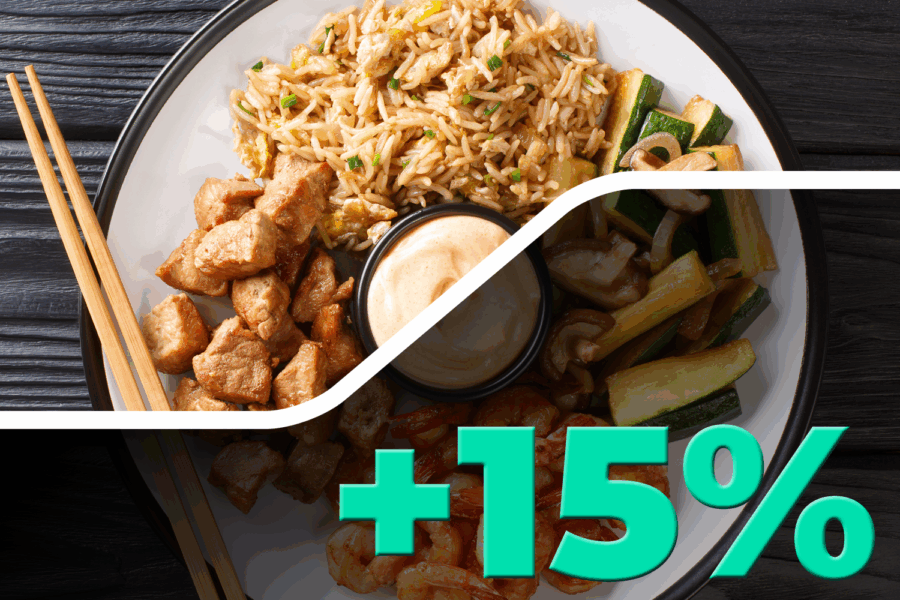
Hibachi (+15% over the last four years)

Post-pandemic, communal dining experiences are back with a vengeance, and hibachi — loved or liked by 53% of consumers — is leading the charge. Whether it’s the small portable charcoal grills or the theatrical American steakhouse-style griddle cooking, hibachi taps into both the desire for shared meals and 90s nostalgia driven by newstalgia. Even without investing in new equipment, restaurants can offer “hibachi-inspired” dishes with traditional teriyaki flavors.

The Underdogs: Five Declining Items Ready for Revival

Here’s where it gets interesting. These items are appearing on fewer menus, but that doesn’t mean they’re done. In fact, each one aligns with rising trends and has serious comeback potential.

The Term “Authentic” (-28%)

Calling something “authentic” on menus has lost its punch because it’s become meaningless—similar to how “fresh” got overused. But here’s the thing: authenticity still matters deeply to consumers. The solution? Show, don’t tell. Instead of labeling dishes as authentic, highlight specific ingredients, traditional preparation methods, or regional origins. Let the food speak for itself.

Niçoise Salad (-19%)

This French classic fell out of fashion, but it’s perfectly positioned for a comeback. High in protein and fiber, featuring trendy tinned fish, and built on inexpensive pantry staples, the niçoise salad checks all the boxes for today’s consumer. Replace traditional tuna with sardines, create protein packs for grab-and-go formats, or offer updated versions that appeal to both those who remember the original and those discovering it fresh.

Mudslide Cocktail (-17%)

Born in the 1970s on Grand Cayman Island, the mudslide became too accessible through bottled versions and lost its special occasion appeal. But in today’s indulgence-driven dining culture, it’s primed for an “espresso martini effect”—that viral moment when everyone in the room wants what they see someone else drinking. The Irish cream and coffee combination with a chocolate drizzle is inherently Instagram-worthy. Extend the flavor profile beyond cocktails into coffee drinks and desserts.

Meyer Lemon (-17%)

These sweet, floral hybrid citrus fruits have had a rollercoaster ride on menus, partly due to limited growing seasons. But their sweet-sour balance and floral notes align perfectly with current flavor trends. With potential tariffs on imported citrus, domestically grown Meyer lemons could see renewed interest. For restaurants outside growing regions, Meyer lemon syrups offer year-round brightness in dressings, coffees, and meat glazes.

Soufflé (-6%)

Yes, they’re notoriously difficult. Yes, they require time and skill. But that’s exactly why they’re poised for a comeback in an era when restaurants are competing on experience, not just convenience. As other retro favorites requiring anticipation return (hello, lava cakes), soufflés offer that same wow factor. Pre-made options can reduce labor while maintaining impact, and the term is already gaining traction through Japanese soufflé pancakes and cheesecakes.

The Strategy: Think Like a Trendologist

The real insight here isn’t just about which specific items to add to your menu. It’s about understanding the pattern: slow-and-steady gainers often become tomorrow’s big trends, while declining items aligned with current consumer preferences are undervalued opportunities for menu innovation.

When something like vodka sauce grows by 202% over four years (Datassential Menu Trends,) that’s not a fad — that’s a fundamental shift in how consumers think about familiar flavors. When a declining item like the mudslide cocktail fits perfectly into multiple current trends (coffee cocktails, indulgence, shareability), that’s a signal to pay attention.

The key to effective menu optimization is knowing when to ride the wave of a gaining item and when to be early on a declining item’s revival. Both strategies can pay off, but they require different approaches. Gainers need fresh applications and unexpected formats. Declining items need thoughtful reinvention that honors what made them special while adapting to modern tastes.

So before you write off that declining menu item, ask yourself: could this be the next espresso martini? Sometimes the best trends aren’t new at all — they’re just waiting for their moment to return.


These 5 rising and declining flavors were a featured section in our 2026 Trends Report. To download a free preview of the report here. To access the full report available to subscribers, go here.