 EN | English UK
 DE | Deutsch
 ES | Español
 FR | Français
 IT | Italiano

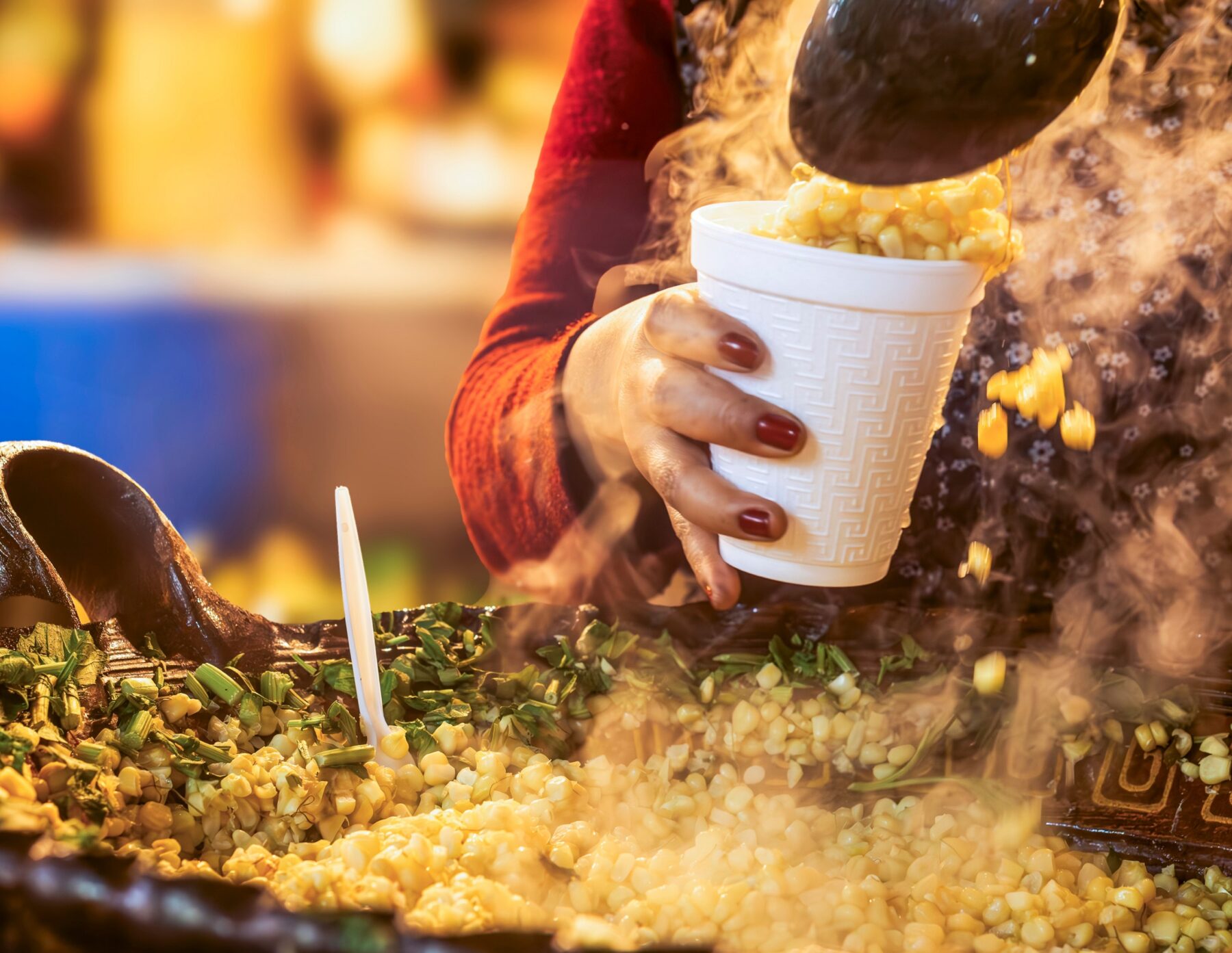
Mexican food is already one of America’s favorite cuisines. The next chapter is more specific, and it starts in the capital. CDMX cuisine, the food of Mexico City, is shaping up as one of the global food trends to watch in 2027: 58% of U.S. consumers are interested in trying it, and most operators haven’t put it on the menu yet.
According to Datassential’s 2027 Trends research, Mexican is tied with Italian as the most loved global cuisine among U.S. consumers, with 56% saying they love it. As regional food trends and global flavor trends keep gaining momentum across American menus, CDMX is the regional Mexican cuisine to know.
What is CDMX Cuisine?
CDMX is short for Ciudad de México, or Mexico City, the capital of Mexico. It’s a hub for regional Mexican cuisines from across the country, and it also has its own food culture, distinct from the rest of Mexico.
For anyone tracking ingredient trends, the flavors are rooted in nixtamalized corn (dried maize that’s cooked and steeped in an alkaline solution), dried and fresh chiles, tomatillo, and charred-tomato salsas. Herbs like epazote and hoja santa add depth, and the smoke of comals and grills ties it together. Right now, you’ll mostly find it at independent restaurants.
Why CDMX Cuisine Is a Global Food Trend to Watch
Among the new trends in the food industry, regional food trends are moving from niche to mainstream, and several signals point to CDMX as the next one. Sinaloan and Yucatecan cuisines are also trending, but CDMX stood out as the cuisine to know for 2027 because it connects them all.
- Consumer interest is high. 58% of U.S. consumers are interested in trying CDMX cuisine. Among Millennials, that number is 75%, significantly more than any other generation.
- Consumers are ahead of operators. 51% of consumers are at least somewhat familiar with the cuisine of Mexico City, compared with 28% of operators. Only 17% of operators are currently interested in offering it.
- It’s approachable. More consumers have tried or want to try most CDMX foods and beverages than not. Many lean on familiar ingredients, so the key is describing what the dishes are on menus.
- Travel isn’t required. 55% of U.S. consumers haven’t yet visited but are interested.
- It’s a two-part opportunity. CDMX offers distinctive yet approachable dishes, plus a strong visual identity to build concepts around. Think handmade ceramics, exposed brick, and pink and green colors.
The beverage side is moving too. Pulque, a fermented, agave-based alcoholic drink core to CDMX culture, is up 99% on U.S. alcoholic beverage menus over the past 4 years (Datassential Menu Trends).
Five CDMX Foods to Know
These five dishes show how CDMX cuisine can bring fresh restaurant menu trends to familiar formats. Each one pairs a recognizable ingredient or format with something new, which eases the barrier to entry for consumers.
- Tacos al pastor. Chile-marinated pork is stacked on a vertical spit called a trompo, shaved to order, and served on a tortilla with pineapple, onion, and cilantro. It’s the CDMX dish U.S. consumers are most likely to have tried (36%), with another 38% who want to.
- Pambazos. A bread roll is dipped in mild red chile sauce, griddled, and stuffed with potato and chorizo. 49% of consumers haven’t tried pambazos but are interested, which could inspire Mexican-inspired sandwiches stateside.
- Huaraches. A thick corn masa tortilla in an oblong shape is topped with beans, meat, salsa, and cheese. Nearly half of consumers (49%) haven’t tried them but want to, and they work as a simple twist on tacos, which are loved or liked by 84% of U.S. consumers (Datassential Consumer Preferences).
- Guajolota. A warm tamale is placed inside of a bolillo bun (a type of Mexican white bread). Only 21% of U.S. consumers have tried it so far, but nearly half (49%) want to.
- Tlacoyos. Thick corn cakes stuffed with beans or cheese are cooked on a griddle and topped with cactus, salsa, and crumbled cheese. 51% of consumers want to try them, the highest share of any CDMX dish in our survey, and 21% already have.
Four Ways to Put a CDMX Spin on Familiar Mexican Dishes
There’s a lot of overlap between broader Mexican cuisine and CDMX, since dishes like tacos al pastor and beverages like aguas frescas are purported to have originated in Mexico City. Here are four ways to add a regional CDMX twist to a well-loved Mexican dish so that it feels fresh and new.
| Familiar Mexican Dish | CDMX Version | What It Is |
| Carne asada | Tacos de gaonera | A taco filled with gaonera, a thin cut of beef known for being tender, flavorful, and ideal for grilling. |
| Torta or chilaguiles | Torta de chilaquiles | A mashup of a torta (Mexican sandwich) and chilaquiles: a bolillo bun filled with chilaquiles, onion, crema, and cheese. |
| Tostada | Tuna tostadas | Raw sushi-grade ahi tuna on a crispy tortilla, topped with avocado, fried leeks, and more. |
| Quesadilla | Quesadilla de huitlacoche | Typically blue corn tortillas filled with huitlacoche (edible corn fungus) and often cheese, instead of meat. |
Bringing CDMX Cuisine to Life
A handful of U.S. restaurants show how CDMX flavors and culture can anchor a concept, from street-food classics to fine dining.
- Komal (Los Angeles, CA): Helmed by chef Fátima Juárez and her partner Conrado Rivera, Komal brings “the bold, soulful flavors of Mexico City’s street food” to LA using Mexican heirloom corn sourced directly from farmers in Mexico. The menu includes CDMX classics like tlacoyos with ayocote bean-filled masa, cactus salad, queso fresco, and salsa; suadero tacos with slow-cooked, braised meat; and quesadilla de huitlacoche. It was named one of Bon Appétit’s “20 Best New Restaurants” in 2025.
- Acamaya (New Orleans, LA): Led by Ana and Lydia Castro, who were born in Texas and raised in Mexico City, Acamaya “melds the best of Mexico City, Gulf of Mexico seafood, and New Orleans.” Standouts include a Tuna Tostada with charred avocado, peanut, and nori, and Octopus with sunchoke escabeche, walnut salsa negra, and tortillas. Esquire and Bon Appétit both named it one of the “Best New Restaurants in America” in 2025.
- Mezcaleria Alma (Denver, CO): This Michelin-starred spot pairs CDMX-inspired small plates with 120+ agave expressions. Dishes include Carne Apache with NY strip, dried chile salsa, hoja santa purée, and Castelvetrano olive vinaigrette, and Burrata con Huitlacoche with huitlacoche succotash, heirloom tomatoes, and candied pepitas. The bar adds a bold Mexican twist on a classic negroni. It’s a great example of creating new takes on classics and demonstrates how CDMX cuisine can be a vehicle for innovation.
The beverage opportunity extends to the bar, too. Pulque is the heart of the pulquería, a type of Mexico City bar that serves it alongside snacks called botanas. Half of U.S. consumers (50%) say they’d be interested in visiting a pulquería if one opened stateside, and pulque is predicted to grow another 70% on U.S. alcoholic beverage menus over the next 4 years (Datassential Menu Trends).
What This Means for You
When it comes to menu trends, there is a clear gap between what consumers want and what menus currently offer. Half of consumers haven’t tried suadero tacos but want to, yet only 5% of operators offer them. 51% want to try tlacoyos, and only 3% of operators serve them. For operators and retailers, these are examples of white space in a cuisine consumers already love. For suppliers and distributors, the core CDMX ingredient list is worth watching: nixtamalized corn, dried and fresh chiles, tomatillo, and herbs like epazote and hoja santa. Start with an approachable entry point like tacos al pastor, describe unfamiliar dishes by their familiar ingredients, and let CDMX culture shape the experience, from the plate to the design.
Want to see where CDMX dishes and flavors rank in your category? Request a demo of the Datassential platform to track menu adoption, consumer sentiment, and trend forecasts in one place.