 EN | English UK
 DE | Deutsch
 ES | Español
 FR | Français
 IT | Italiano

The convenience store landscape is experiencing a fundamental shift. No longer just a quick pit stop for gas and snacks, c-stores are evolving into legitimate foodservice destinations that compete directly with quick-service restaurants. Datassential’s recently released 2026 C-Store Keynote reveals that perception, technology, and menu innovation are driving this transformation — and foodservice professionals need to understand these trends to stay competitive in 2026.
The Reputation Revolution:
C-Store Foodservice Earns Consumer Trust
For years, convenience store food carried a stigma. That narrative is changing. Datassential shows dramatic improvements across multiple dimensions of the c-store experience, signaling that operators are successfully elevating their foodservice programs.
Variety leads the charge, with 40% of consumers saying offerings are improving — eight times more than those reporting deterioration, and up from 38% in 2023, the last time Datassential asked this question of consumers. Quality and freshness are also gaining ground, with 35% and 33% of consumers respectively noting improvements, Datassential found. Cleanliness, uniqueness, and service friendliness are all trending positively as well.
The only stumbling block? Price. While 27% of consumers see value improving, 31% say prices are getting worse, Datassential found; a reflection of broader inflationary pressures affecting the entire foodservice industry.
Understanding the C-Store Consumer:
Convenience Still Reigns, But Quality Matters
Proximity and convenience remain the dominant factors driving c-store visits. Forty-three percent of consumers choose a store simply because it’s closest to home, Datassential said, while 41% visit because they’re already getting gas. However, deeper motivations reveal generational divides that operators must understand.
Younger consumers prioritize deals and quality more than older generations. Gen Z and Millennials are significantly more likely to visit c-stores for the best deals (25% and 28% respectively) compared with Boomers (12%), according to Datassential. They also seek higher-quality products at rates nearly double that of their older counterparts.
This generational split extends to satisfaction with variety. While three-quarters of consumers are satisfied with prepared food variety and nearly nine in ten are satisfied with beverage variety, younger shoppers express higher expectations for innovation and customization, Datassential found, suggesting a ripe opportunity for forward-thinking operators.
The Impulse Purchase Opportunity:
Strategic Merchandising Drives Unplanned Sales
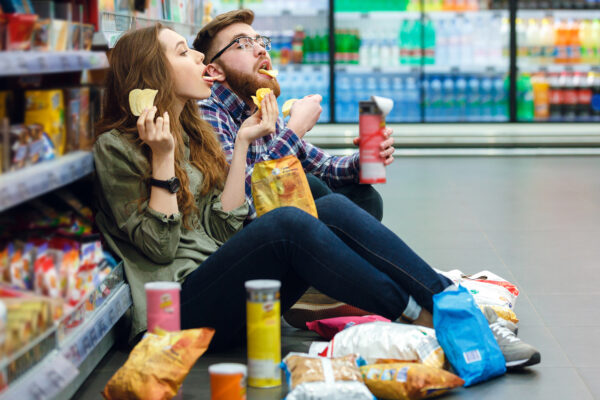
Impulse purchases represent a significant revenue opportunity for c-stores. While packaged food items dominate unplanned purchases, over one-third of consumers buy prepared food items they hadn’t originally intended to purchase, Datassential reported.
The triggers for these impulse buys reveal clear merchandising opportunities. Thirty-three percent of unplanned purchases occur when items are discovered while walking around the store, while 22% happen when products are displayed near the register. Eye-catching packaging motivates 26% of impulse buys, and new items or flavors capture 25%.
Smart operators are leveraging meal deals and bundles (17% of impulse purchases) and limited-time offers (9%) to drive incremental sales. Free samples, though utilized less frequently, still influence 5% of unplanned purchases.
Menu Innovation:
What Consumers Really Want
The data reveals specific menu preferences that vary dramatically by generation, offering operators clear direction for customization and variety strategies.
Customization as a Competitive Advantage
Build-your-own formats resonate strongly with consumers. In-store sub shops interest 56% of consumers, while customizable build-your-own pizza and customizable burritos or tacos each appeal to 52%. These formats allow operators to increase variety and engagement without exponentially expanding SKUs.
The Condiment Gap: Meeting Generational Preferences
Condiment preferences reveal a stark generational divide. Traditional condiments like ketchup (51%), yellow mustard (50%), and mayonnaise (39%) rank highly overall, but younger consumers want more adventurous options. Gen Z and Millennials show significantly higher interest in flavored ketchup (31% and 37% vs. 14% for Boomers), Asian sauces, and dry herb and spice shakers. Tajin, for instance, interests 13% of Gen Z and 12% of Millennials but only 2% of Boomers.
Operators looking to appeal across generations should maintain traditional condiment stations while strategically adding trending options that attract younger demographics.
Coffee as a C-Store Staple: Quality, Variety, and Cleanliness Drive Preference
Coffee* remains a cornerstone of c-store beverage programs, but consumer expectations are rising. The top motivators for ordering coffee from convenience stores center on three pillars: variety in flavor options, freshness of the coffee, and clean, well-maintained coffee preparation areas.
This emphasis on cleanliness and freshness ties directly to the broader reputation improvements consumers are noticing across c-store operations. Operators who invest in visible coffee quality measures — clearly labeled brew times, clean equipment, and diverse flavor options — can differentiate themselves in an increasingly competitive market.
*Want more coffee trends? Check out this webinar!
Technology Adoption: The Generational Digital Divide
Technology represents both an opportunity and a challenge for c-store operators, with consumer interest varying dramatically by age.
Mobile smartphone apps lead technology interest at 43%, followed by scan-and-pay technology (35%), and automated order pickup (32%). However, these overall numbers mask a significant generational divide. Gen Z and Millennials show strong interest in virtually all technology offerings—mobile apps interest 53% and 58% respectively — while Boomer interest drops to just 21%.
Current operator adoption lags behind consumer demand in key areas. While 33% of operators offer mobile apps, 43% of consumers want them. The gap is even larger for scan-and-pay technology (18% offering vs. 35% wanting) and automated order pickup (15% vs. 32%), Datassential found.
The strategic implication is clear: operators targeting younger demographics should prioritize technology investments, while those serving older populations can focus on traditional service models without significant competitive disadvantage.
Operator Perspective:
Sales Growth & Operational Challenges
The operator side of the equation reveals encouraging trends alongside persistent challenges.
Sixty percent of c-store operators report increased foodservice sales over the past year — up 13 percentage points from 2023. This growth is most pronounced during breakfast and lunch dayparts, likely reflecting the return-to-office trend and consumers seeking convenient, affordable meal solutions.
Menu Evolution: Adding Fresh, Dropping Traditional
Operator menu offerings have shifted noticeably since 2023. Taquitos and tornados have seen 15-percentage-point increases in availability, while breakfast sandwiches remain nearly universal at 93% of operations. French fries (up 8 points) and hot breakfast foods (up 7 points) are expanding.
Conversely, traditional c-store staples are declining. Hot dog availability dropped 22 percentage points, while prepared salads fell 18 points and desserts decreased 20 points. This shift suggests operators are focusing on higher-margin, higher-quality items that align with evolving consumer expectations.
The Scratch Cooking Conundrum
Most c-store operators still rely heavily on pre-made products, but 15% are buying more scratch ingredients compared to two years ago—up 7 percentage points from 2023. This modest shift reflects both consumer demand for quality and freshness, and the operational reality that most c-stores have limited culinary training and labor resources.
Occasion-Based Strategy: Quick Bites and Road Trips Lead
Understanding when and why consumers choose c-stores helps operators optimize their offerings. Quick bites and road trips represent the occasions where c-stores are most appealing. Consumers also turn to c-stores when they need a snack to hold them over until a full meal or when they want a cheap, easy bite.
This occasional pattern suggests operators should maintain strong grab-and-go offerings while building out more substantial options for consumers replacing full meals. The rise of breakfast sandwiches, customizable burritos, and pizza reflects this dual strategy.
Strategic Recommendations for Foodservice Professionals
Datassential’s 2026 C-Store Keynote reveal trends that should drive strategic imperatives:
Invest in variety through customization.
Build-your-own formats for sandwiches, pizza, burritos, and tacos allow menu expansion without inventory explosion. These formats also increase engagement and perceived value.
Leverage franchise partnerships.
Recognizable brands provide instant credibility, standardized training, and customizable options that elevate the c-store from a pit stop to a destination.
Bridge the technology gap strategically.
Younger consumers want mobile apps, automated pickup, and scan-and-pay technology. Operators should prioritize these investments based on their demographic profile, but recognize that the generational divide means universal technology adoption may not be necessary.
Focus on visible quality signals.
Clean coffee stations, fresh ingredient displays, and well-maintained food preparation areas directly address the reputation improvements consumers are noticing. These operational fundamentals build trust and drive repeat visits.
Understand generational preferences.
Menu planning, condiment selection, and technology investments should reflect the age demographics of your core customers. The Gen Z and Millennial preference for bold flavors, technology convenience, and customization differs significantly from Boomer preferences for traditional offerings and personal service.
Capitalize on impulse opportunities.
Strategic product placement near registers and throughout the store, eye-catching packaging, and limited-time offers all drive incremental purchases. Prepared food items represent over one-third of impulse buys — a significant opportunity often overlooked in favor of packaged goods.
The C-Stores of The Future Are Food Destinations
The convenience store industry stands at an inflection point. Consumer perceptions are improving, foodservice sales are growing, and operators are investing in quality, variety, and innovation. The stigma that long plagued c-store foodservice is fading, Datassential found, and it’s being replaced by growing recognition that convenience stores can deliver compelling food and beverage experiences.
For foodservice professionals, the opportunity is clear. C-stores that lean into foodservice as a core competency — not just an ancillary revenue stream—will capture market share from quick-service restaurants while building loyalty among consumers who value the combination of convenience and quality.
The convenience stores of 2026 aren’t just competing on proximity and price. They’re competing on menu innovation, operational excellence, and customer experience. The winners will be those who understand these evolving trends and execute against them with precision.
__________________________________________________________________________
Datassential subscribers can access the full 2026 C-Store Keynote Report for comprehensive data, additional insights, and detailed operator and consumer analysis. To subscribe or to request a demo, visit this link.