Skip to Main Content

The 2025–2030 Dietary Guidelines: What Changed and What It Signals for the Future of Food

Convenience Store, CPG & Retail, Food Trends, Foodservice, Ingredient Trends, Innovation, Menu Trends, Restaurants

Stay informed on the latest food industry insights by subscribing to our newsletter.

This week, the U.S. government released the 2025–2030 Dietary Guidelines for Americans, a legally mandated update that shapes everything from school meals to federal nutrition programs, and increasingly, how consumers evaluate food choices.

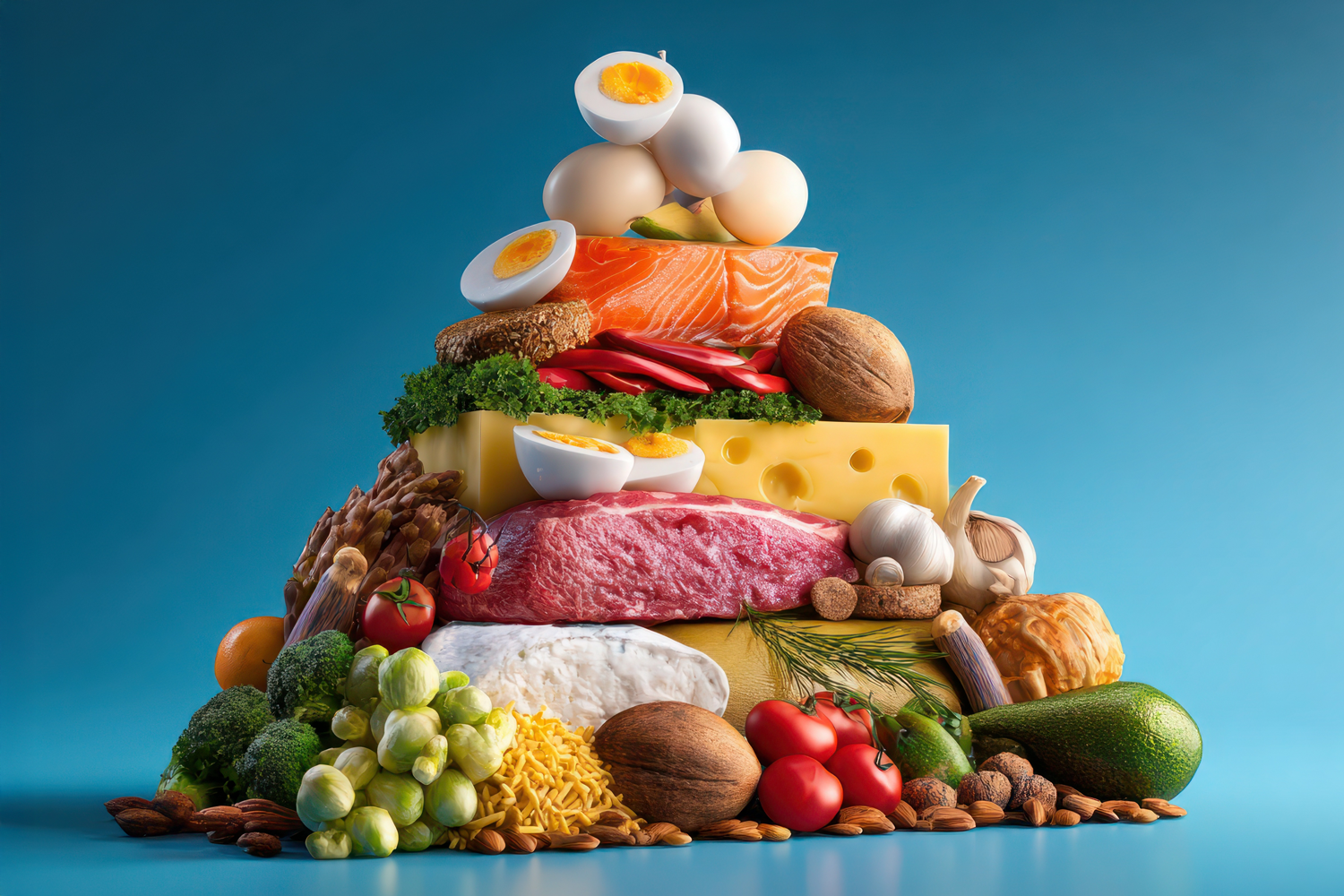
At just 10 pages long, the new guidelines aim for clarity over complexity. Their core message is simple: eat more whole foods, more protein, and fewer highly processed foods and added sugars.

But beneath that simplicity are several meaningful shifts, and signals that food and beverage leaders should be paying close attention to.


A Clear Pivot Toward “Real Food”

The updated guidance strongly emphasizes:

  • Fresh vegetables and whole grains
  • Whole-food sources of protein
  • Fewer packaged, salty, and sweet ready-to-eat foods

For the first time, the federal government explicitly urges Americans to avoid what it calls “highly processed foods,” a term often used interchangeably with “ultra-processed,” though not yet formally defined in regulation.

This is notable not because the science is new, but because the language is.

For decades, dietary advice focused on nutrients (fat, carbs, calories). These guidelines mark a continued shift toward food form and processing level, aligning more closely with how consumers already think about food.


The MAHA Context, Without the Noise

The release also arrives amid broader public conversation around Make America Healthy Again (MAHA), an initiative frequently referenced by Health and Human Services Secretary Robert F. Kennedy Jr.

While MAHA has drawn political attention, the guidelines themselves remain largely grounded in existing nutrition science. In fact, several long-standing recommendations remain intact:

  • Saturated fat is still capped at 10% of daily calories
  • Whole-food sources of fat are emphasized over refined alternatives
  • Decades of evidence linking excess sugar and refined carbohydrates to chronic disease remain central

In other words, this update is less about radical reversal and more about reframing. The strongest change is less ideology and more about communication.

Protein Gets a Promotion

One of the most talked-about updates is a substantial increase in recommended protein intake:

  • From 0.8 grams per kilogram of body weight
  • To 1.2–1.6 grams per kilogram

That’s nearly double the previous baseline, and a signal that protein is no longer just a fitness trend, but a mainstream nutritional priority.

For food brands and operators, this reinforces what Datassential has already seen in consumer behavior:

  • Protein-forward positioning resonates across demographics
  • Animal, plant, and hybrid protein sources all have a role
  • Processing matters less when protein is the hero and carbs are reduced

Sugar: From Limits to Elimination

The new guidelines take a firmer stance on added sugar, stating that no amount is considered part of a healthy diet and recommending:

  • No more than 10 grams of added sugar per meal

This is a sharper message than past editions, and one that aligns with rising consumer skepticism around sweeteners of all kinds, including non-nutritive alternatives.

For the food industry, this doesn’t mean sweetness disappears. It means scrutiny increases, and transparency matters more than ever.

Alcohol Guidance Softens, But the Signal Doesn’t

Rather than prescribing specific drink limits, the guidelines now advise Americans to “consume less alcohol for better health.”

This shift reflects growing evidence around alcohol’s health impact — and a cultural move away from rigid rules toward individual decision-making. The takeaway for beverage leaders isn’t permissiveness; it’s moderation, choice, and context.

What This Means for the Food Industry

Taken together, the 2025–2030 Dietary Guidelines reinforce several powerful trends already shaping the market:

  1. Whole foods are the baseline expectation, not a premium claim
  2. Protein continues to anchor value, satiety, and health perception
  3. Processing level matters — but nuance matters more
  4. Consumers want clarity, not complexity

Importantly, even the scientific advisory panel acknowledged uncertainty around defining “ultra-processed” foods, a reminder that the conversation is still evolving. That’s where data, context, and consumer insight become critical.


Datassential’s POV: From Policy to Practice

Dietary guidelines don’t change behavior overnight. But they do shape:

  • Institutional food programs
  • Product reformulation priorities
  • Retail and menu language
  • Consumer trust signals

At Datassential, we see these guidelines not as mandates, but as directional signals. They reflect where science, culture, and consumer expectations are converging.

The brands and operators that win won’t chase headlines. They’ll:

  • Translate guidance into real-world choices
  • Balance nutrition with taste and accessibility
  • Communicate clearly without overclaiming

In moments like this, leadership isn’t about taking sides. It’s about helping the industry move forward with clarity and that’s exactly where the future of food is headed.


Want to see the latest in consumer and operator research in the food industry, consumer perspectives on healthy eating and how their definition is changing, and much more? Subscribers have access to all of this at their fingertips. Not a subscriber? Request more information or a demo here.