 EN | English UK
 DE | Deutsch
 ES | Español
 FR | Français
 IT | Italiano
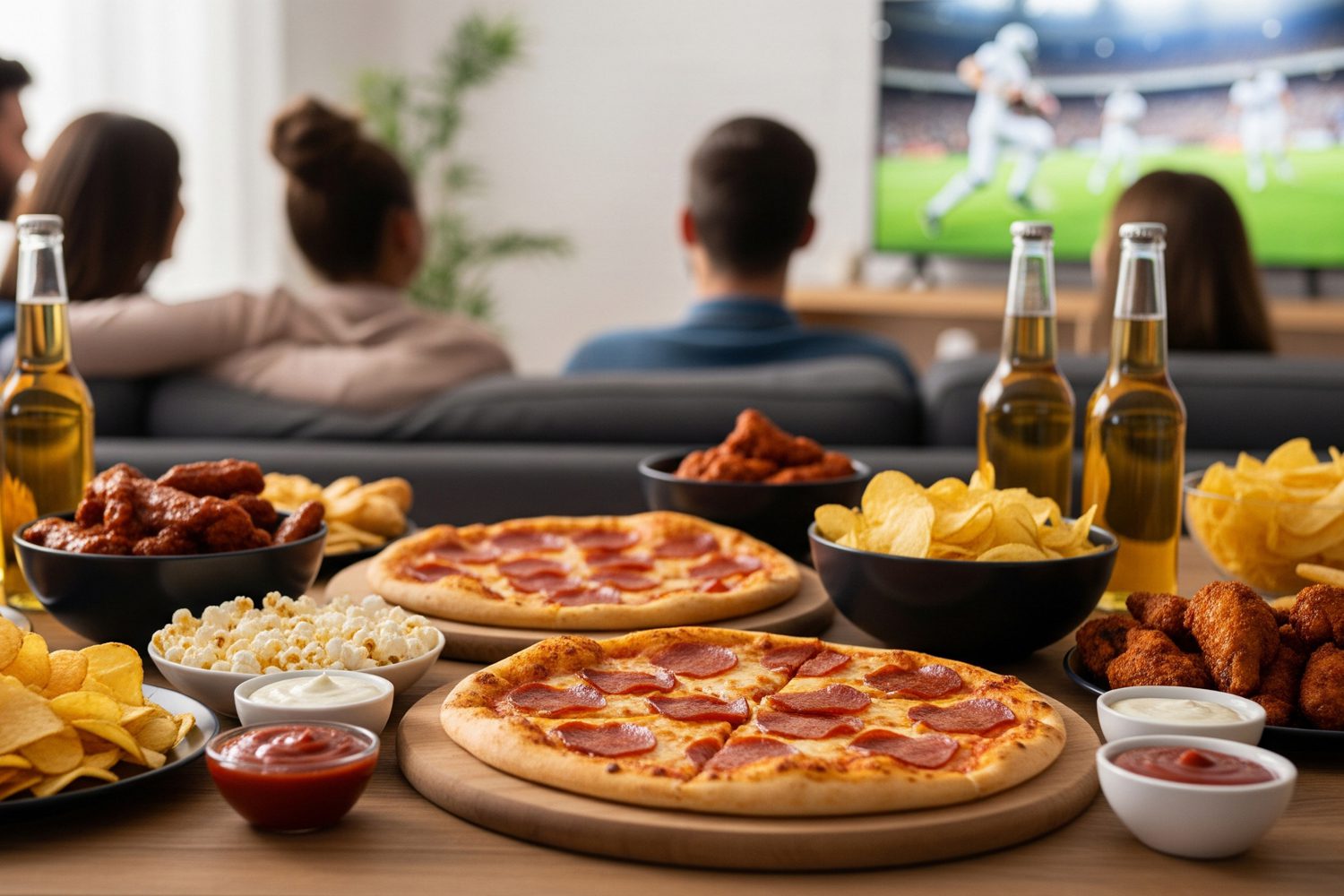
The Super Bowl has always been about food, but what used to be a single Sunday of wings and chips has evolved into a season-defining flavor moment — shaping winter menu strategy weeks before kickoff.
This weekend, when The Seattle Seahawks and the New England Patriots kick off Super Bowl LX in Santa Clara, Calif., those watching from home, restaurants, and bars across the country have a bigger stake in the Big Game, no matter who they’re rooting for.
Datassential research shows that the Super Bowl now outpaces Valentine’s Day in terms of how much consumers associate it with special flavors, beverages, and limited-time offers (LTOs) from restaurants. Now the 2026 Super Bowl falls only behind Christmas in terms of associations with food and drinks.
So it’s not just those big-budget commercials or the highly-anticipated halftime show that draw attention away from the game. It’s the food. The Super Bowl has become the season’s second-most influential food occasion. With that, dive into the top food trends around Super Bowl Sunday.
Super Bowl 2026 Trends
From Game Day to Flavor Event
Winter is already prime limited-time offer (LTO) season; more than one-fifth of all annual menu launches happen during these colder months. But the Super Bowl has become the center of gravity.
Timing matters, too. February is now the peak month for winter menu launches at major chains, aligning squarely with Super Bowl momentum. For operators and brands, the Big Game has quietly become the launchpad.
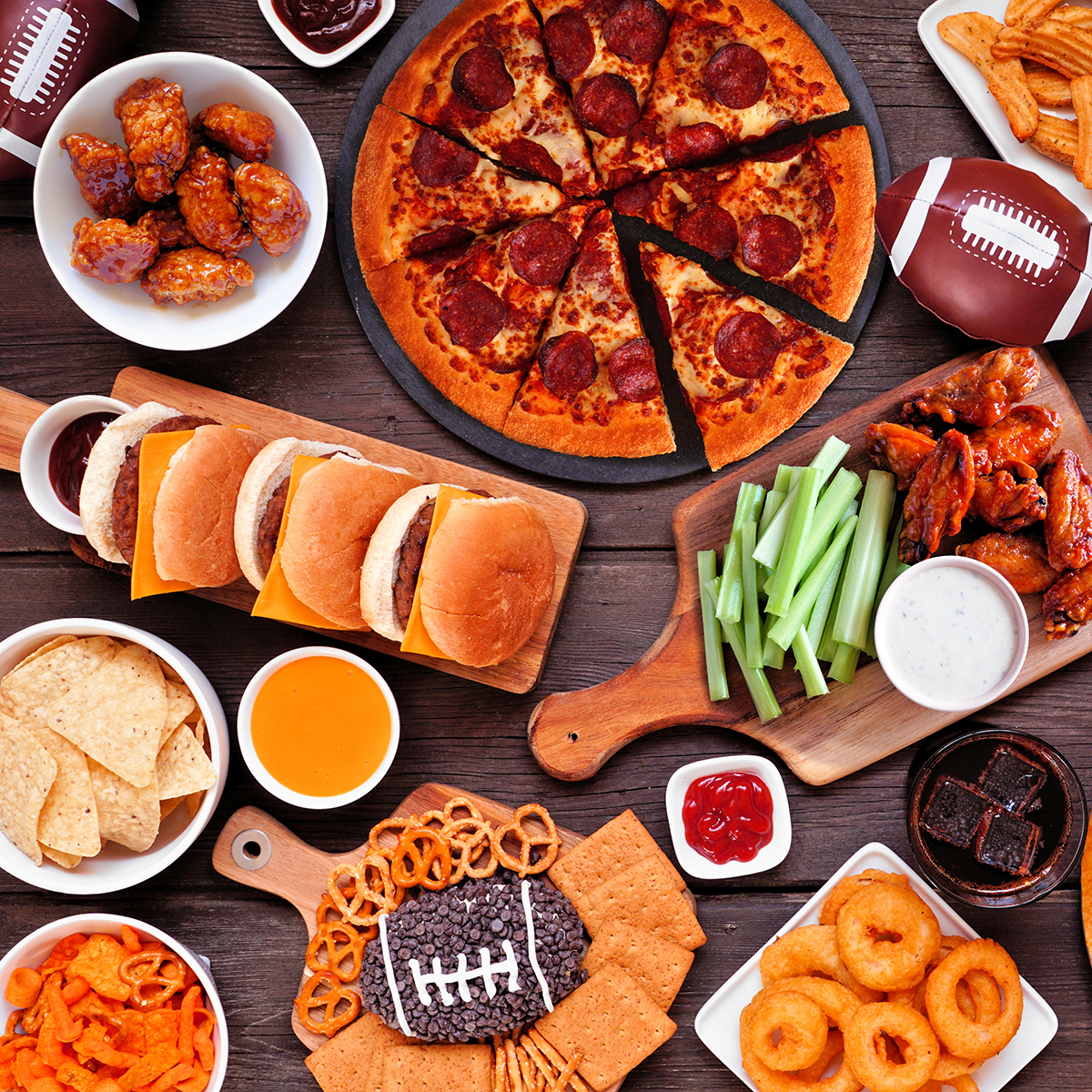
But about the 2026 Superbowl food: While it’s about far more than chicken wings, you can’t go wrong with BBQ, lemon pepper, and sweet chili wings — all flavors that have grown on menus by more than 500% in the last four years. And honey mustard wings are a must-menu, having grown an incredible 2,447% in that time, according to Datassential’s menu intelligence.
Why Super Bowl Food Is Growing in Relevance
The Super Bowl sits at the intersection of multiple forces reshaping winter eating:
- Indulgence beats intimacy: Valentine’s Day still owns dine-in occasions, but the Super Bowl wins on volume, shareability, and food-forward excitement.
- Foodservice meets retail: Consumers increasingly blend restaurant LTOs, grocery prepared foods, and at-home assembly, turning Super Bowl spreads into curated experiences.
- Younger consumers lead the charge: Millennials are significantly more likely than older generations to seek out Super Bowl-specific LTOs, while Gen Z and Millennials over-index on buying prepared foods from grocery stores for the game.
Together, these shifts explain why the Super Bowl keeps gaining cultural and commercial gravity in foodservice.
Social Media Buzz
Talk Ahead of the Big Game
Super Bowl food buzz doesn’t start on game day, of course, it builds for weeks.
Between early December and early February, consumers generated 27,000+ Super Bowl food-related conversations, according to Datassential. And these conversations go far beyond naming favorite dishes.
Super Bowl Food Is About the Details
When it comes to online chatter about Super Bowl food, here’s what consumers are talking about:
- Ingredients and components
- Flavor descriptors and textures
- Preparation styles and formats
That level of specificity points to a more food-literate audience. People aren’t just deciding what to eat. They’re debating what they should eat.
Cheese, Dips, and Shareability Still Win — But With a Twist
Cheese-forward foods and dips dominate Super Bowl conversation because they deliver on exactly what consumers want from the occasion: comfort, indulgence, and shareability. These foods are designed for grazing, customizing, and eating over long stretches of time.
What’s changed is how consumers want them served. Portability, scoopability, and ease of sharing are increasingly part of the expectation, especially for watch parties where food moves from coffee tables to couches to laps.
Want some menu inspiration? Think spicy and global flavors, and you can hardly go wrong. The fastest-growing dip on menus in the last four years are buffalo chicken dip, baba ganoush, and tzatziki. In the last year, beer cheese has climbed 33% on U.S. menus. But the dips that rein supreme on menus are classics: Guacamole, queso, and salsa.
Operator Idea: Play On Familiar Brands
One clear social signal is consumers’ growing interest in branded or brand-inspired foods — familiar products reimagined in unexpected ways. For operators, this opens the door to playful, buzz-worthy LTOs that feel both nostalgic and new.
Think:
- A Snickers-style dessert dip paired with pretzels, apple slices, or cookies
- A portable Frito pie served in a bag of spicy, crunchy snacks, hitting the branded moment and consumers’ love for spice all in one
- A new way to ‘wing,’ like creating a buffalo chicken focaccia that’s big enough to share
These ideas work because they’re easy to share, easy to eat, and play off of current social media conversation, according to Datassential.
From Game Day Food to Winter Menu Strategy
What performs on Super Bowl Sunday rarely stays there.
The Super Bowl has the potential to be a trend accelerator, fast-tracking flavors and formats that later appear across bar and grill menus, fast-casual shareables, and takeout-friendly offerings.
Finger foods, bold seasoning profiles, and snackable formats tested for game day can re-emerge throughout late winter, making the Super Bowl a proving ground for future success.
What This Means for the Super Bowl and Winter 2026
The takeaway for foodservice is clear: the growing importance of food consumers place on the Super Bowl can offer a season-defining opportunity.
Winning this moment means planning weeks ahead, prioritizing formats that travel well and share easily, and using the Super Bowl as a launchpad for ideas that can live on menus after the final whistle.
Want to know more about Datassential’s seasonal trends or social media insights throughout the year? Request a demo or more information here.